How Much Mulch Do I Need?
September 21, 2026 · 5 min read
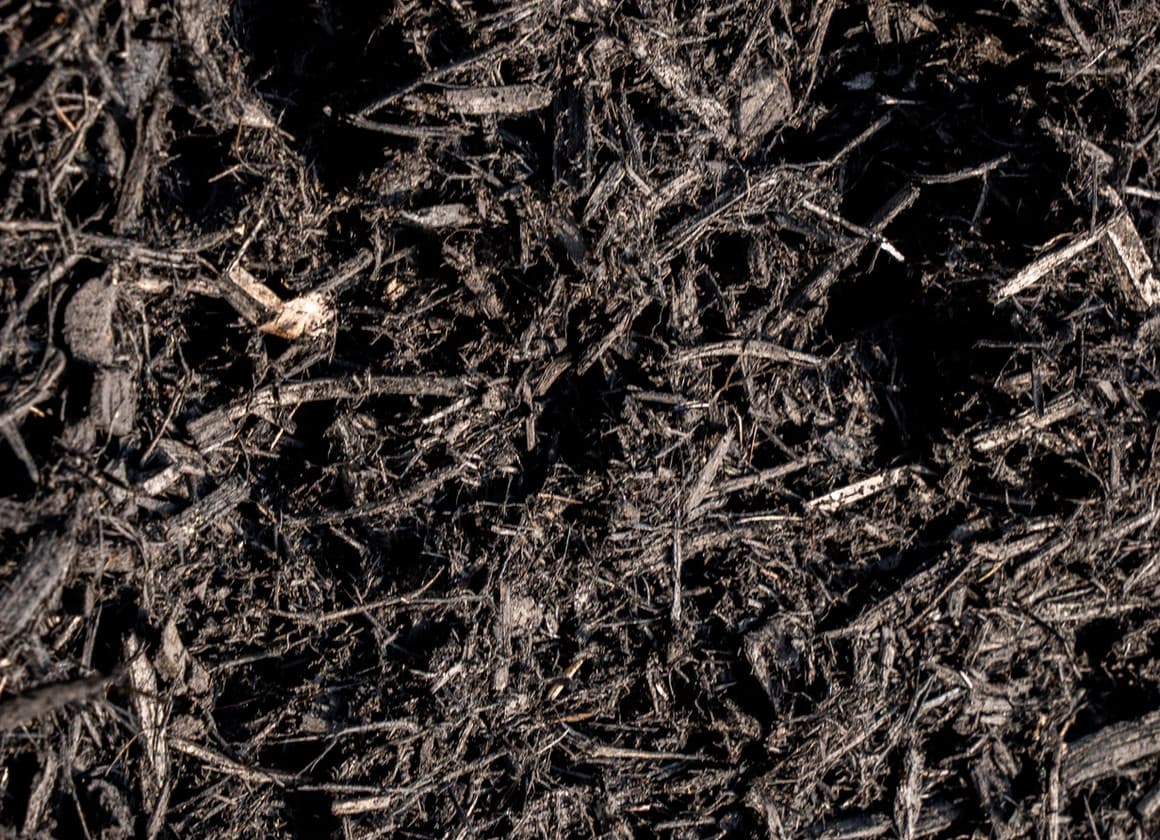
Mulch is sold by the cubic yard, and a cubic yard is 27 cubic feet of material. That single fact is all the arithmetic you need. Everything below is just that number applied to your beds.
The formula
Multiply your square footage by the depth in inches, then divide by 324. The result is cubic yards.
square feet × depth in inches ÷ 324 = cubic yards
The 324 is not arbitrary: it is 27 cubic feet in a yard multiplied by the 12 inches in a foot. Using it saves you converting inches to feet as a separate step, which is where the mistake usually creeps in.
Coverage at a glance
One cubic yard of mulch spreads to:
- 162 square feet at 2 inches deep
- 108 square feet at 3 inches deep
- 81 square feet at 4 inches deep
You will see "a yard covers 100 square feet" quoted often, including elsewhere on this site. That is the 3-inch figure rounded down on purpose. Beds are never perfectly even, and the extra margin is usually closer to what you actually spread than the exact number is.
Worked examples
- A 300 square foot bed at 3 inches: 300 × 3 ÷ 324 = 2.8 yards. Order 3.
- A 500 square foot bed at 3 inches: 500 × 3 ÷ 324 = 4.6 yards. Order 5.
- 1,000 square feet of refresh at 2 inches: 1,000 × 2 ÷ 324 = 6.2 yards. Order 7.
Always round up. Coming up half a yard short means a second trip, a second delivery, and a seam where the new mulch meets mulch that has already started to fade.
What depth to use
Three inches is the standard for a bed you are mulching fresh. It is deep enough to suppress weeds and hold moisture through a dry week. When you are topping up beds that still have last year's mulch underneath, two inches is enough, and it keeps the total depth from creeping up year on year.
Do not go deeper than four inches, and keep mulch pulled back from trunks and stems. Piled against bark it traps moisture exactly where you do not want it, which is how a mulch volcano quietly kills a young tree.
Measuring a bed that is not a rectangle
Most beds are curved, and you do not need precision. Break the bed into rough rectangles and add them together, or for a long sweeping border, multiply the length by the average width — pace out the narrow end and the wide end and split the difference. A circle is radius times radius times 3.14.
Being 10 percent out matters less than you would think, because you are rounding up to a whole yard anyway.
Why mulch is sold by the yard, not the ton
Stone and soil are weighed, but mulch is measured by volume. Its weight swings with moisture — the same yard can come off the pile noticeably heavier after rain — so a weight-based price would change with the weather rather than with what you received. Volume is the honest unit for it.
It is also why bulk beats bags at almost any real scale. A 3-yard order is around 40 two-cubic-foot bags, without the bags.
Then pick your mulch
Once you know the volume, the choice is colour and texture. Undyed dark premium bark ages naturally and feeds the soil as it breaks down. Onyx Black, Cherry Brown and Cardinal Red hold their colour through the season when consistent colour is part of the design. Undyed playground chips are coarser and built for footing under play equipment rather than for looks. Our mulch, topsoil and base materials guide goes into the differences properly.
Or skip the arithmetic
The bulk material calculator runs this same formula — enter your area and depth and it returns the yards. When you know the number, contact the yard to line up a delivery.
Planning a project?
Bring your measurements and our team will help you choose the right material and quantity. Local delivery across Beaver, Allegheny, and Butler counties.