Choosing Decorative Stone and Gravel for Your Project
· 6 min read
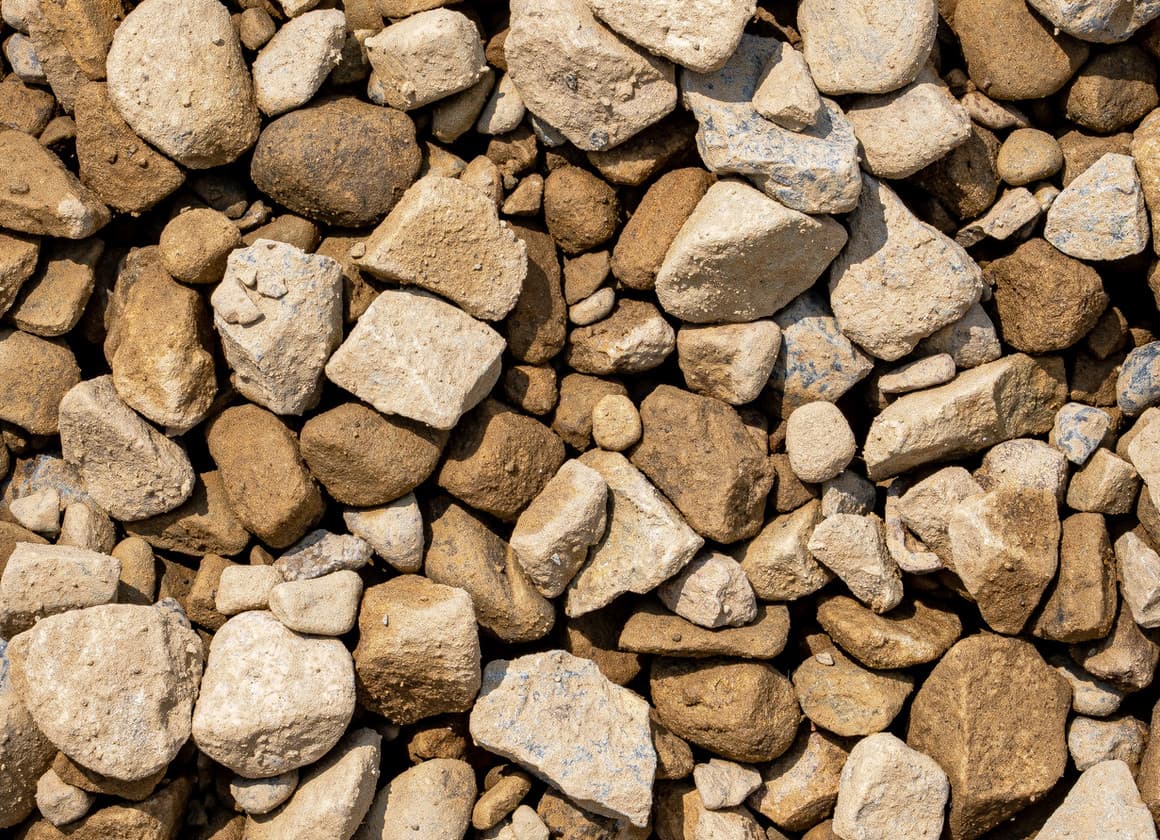
Decorative stone is one of the most flexible materials in a landscape. It drains well, it never needs to be reapplied the way mulch does, and the right color can tie a whole yard together. The trouble is that "stone" covers everything from fine pea gravel to fist-sized river rock, and the wrong pick can wash out of a bed or feel harsh underfoot. This guide walks through how to choose a type, figure out how much you need, and keep it in place once it is down.
Match the stone to the job
Start with what the area actually does. Foot traffic, drainage, and appearance each point to a different size and shape of stone.
- Pea gravel is small and rounded, so it is comfortable underfoot and works well for pathways, patios, and play areas. Because the stones are round, they shift a little, so firm edging matters.
- Crushed limestone (in grades like 2A, 2B, and 3B) has angular faces that lock together. That makes it a strong choice for driveways, bases, and any surface that needs to stay compact.
- River rock is larger and smooth, which suits dry creek beds, drainage swales, and accent borders where you want the stone to read as a feature.
- Decorative accent stone in colors like mocha, cardinal red, or black granite is meant to be seen. Use it in beds and around features where color does the work.
Color reads differently wet and dry, and it shifts with the light around your house. Before you commit a full order to a large bed, it is worth seeing a sample against your siding and hardscape. Regional suppliers publish helpful photo references for the common types. Pittsburgh's Q&A Landscaping decorative stone catalog is a useful example of how varied the color range can be once you start comparing options side by side.
Do the coverage math
Ordering stone comes down to volume, and volume is simpler than it looks. Measure the length and width of your area in feet and multiply them to get square footage. Then decide on a depth. Most decorative beds look right at a depth of 2 to 3 inches. Pathways and higher traffic areas usually want 3 to 4 inches so the ground below does not show through.
To convert to cubic yards, which is how bulk stone is sold, multiply your square footage by the depth in feet, then divide by 27. A 200 square foot bed at 3 inches deep works out to 200 times 0.25, divided by 27, or about 1.85 cubic yards. Round up. It is far easier to spread a little extra than to place a second, slightly mismatched order later. The bulk material calculator does this conversion for you and converts stone to tons, which is how it is weighed on the scale.
One more rule of thumb: heavier, larger stone covers less area per yard than fine gravel at the same depth, because the gaps between big stones are larger. If you are working with river rock, give yourself a little more material than the flat math suggests.
Prep the base so stone stays put
Stone poured straight onto bare dirt sinks and mixes with the soil within a season. A layer of landscape fabric under the stone keeps the two separated, blocks most weeds, and still lets water through. For driveways and heavy use areas, a compacted base of crushed aggregate below the decorative layer gives it something firm to sit on.
Finish the edges
Edging is what separates a clean install from a mess by August. Without a hard border, gravel migrates into the lawn and beds bleed into each other. Steel, aluminum, or paver edging holds a crisp line and keeps stone off the grass, which also protects your mower blades. Where a bed meets a patio or walkway, the hardscape itself can serve as the edge.
Edging matters even more where stone meets a built surface. If you are pairing gravel with a paver patio or walkway, it helps to think about both materials together. A regional overview like this patio materials guide from Northeast Ohio's Samson Landscape is a good primer on how base, edge, and surface layers work as a system rather than in isolation.
Buy in bulk when it makes sense
For anything larger than a single small bed, bulk stone by the cubic yard is far more economical than bagged product, and it means less plastic to haul and dispose of. Bring your square footage and target depth, and a supply yard can tell you exactly how many yards to load and whether delivery makes sense for the volume.
If you are ready to compare colors and grades in person, our team can walk you through the options and load your project. Take a look at our landscape supply products or get in touch to talk through your yard.
Planning a project?
Bring your measurements and our team will help you choose the right material and quantity. Local delivery across Beaver, Allegheny, and Butler counties.