Mulch, Topsoil and Base Materials: A Buyer's Guide
· 6 min read
Mulch, soil, and base aggregate are the materials most projects run through first, and they are the easiest to get wrong. They look similar in a pile, they are all sold by the cubic yard, and the labels overlap. But each does a specific job, and using fill where you needed topsoil, or the wrong mulch in a bed, shows up fast. Here is how to tell them apart and order the right amount.
Mulch: color, texture, and coverage
Mulch protects soil, holds moisture, moderates temperature, and slows weeds while giving beds a finished look. The main choices come down to texture and color.
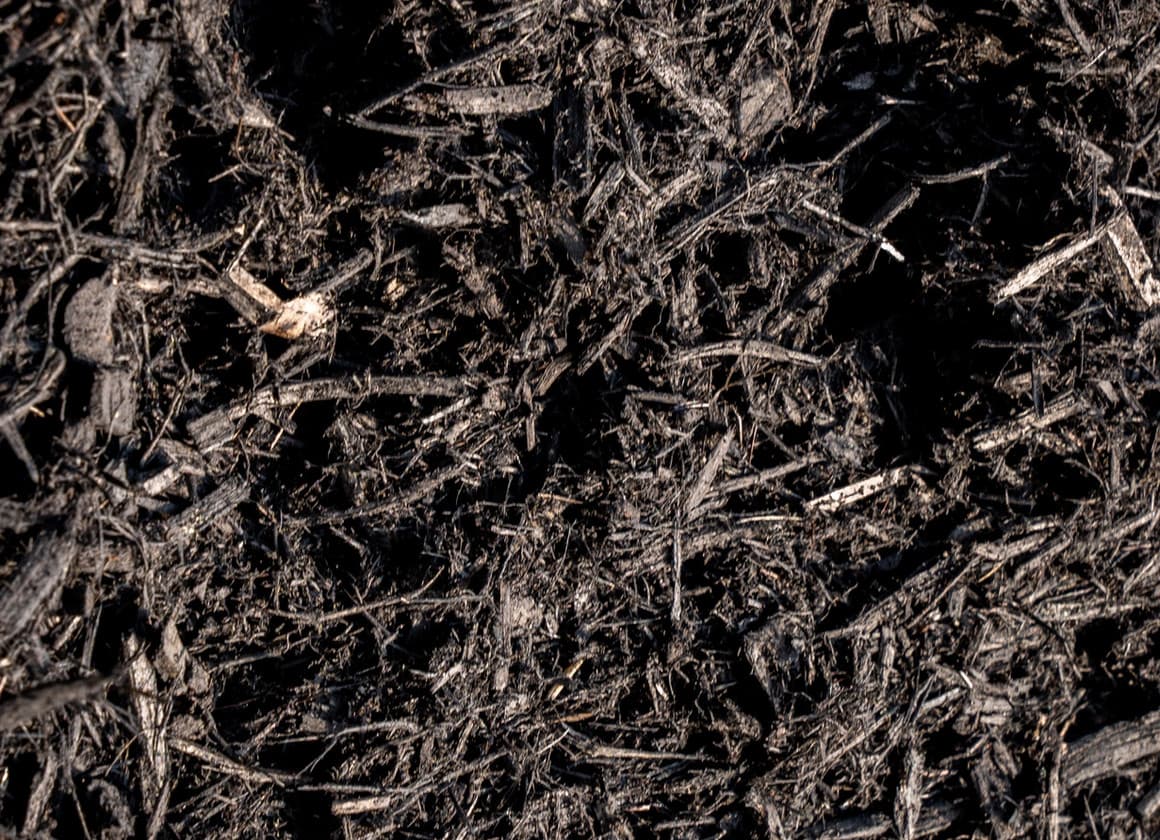
- Undyed bark and hardwood mulch breaks down into the soil over time and improves it. The color is natural and softens as it ages, which many people prefer for a low-key look.
- Dyed mulch in black, brown, or red holds its color longer through the season. It is the right pick when consistent color is part of the design.
- Playground and undyed chips are coarser and built for durability and safe footing under play equipment rather than for appearance.
For coverage, a two to three inch layer is the sweet spot. Thin mulch lets weeds through; piled too deep, especially against trunks and stems, it holds moisture where you do not want it. One cubic yard covers roughly 100 square feet at three inches deep, so a 300 square foot bed needs about three yards. For an odd-shaped bed or a depth other than three inches, the bulk material calculator works it out from your measurements.
Topsoil versus fill: not the same thing
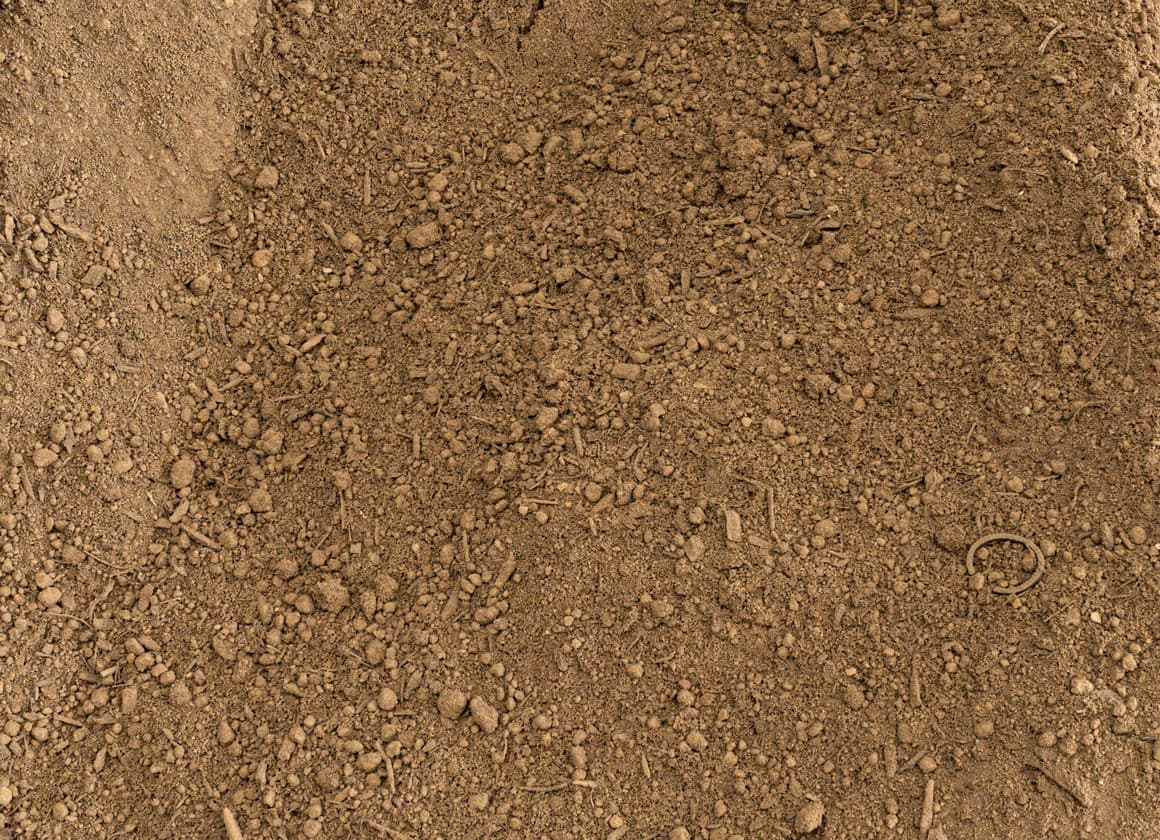
These two get swapped constantly, and it causes real problems. Topsoil is the nutrient-rich upper layer of soil that supports plant growth. Screened topsoil has been run through a screen to remove rocks and debris, so it spreads evenly and is the right choice for lawns, garden beds, and anywhere you want things to grow.
Fill dirt is subsoil with little organic content. It is meant for changing grade, filling low spots, and building up an area, not for growing in. Using fill where you needed topsoil leaves you with a lawn that struggles no matter how much you water it. A common and cost-effective approach is to build the bulk of a raised area with fill, then cap it with several inches of quality screened topsoil where roots will actually live.
Amendments matter too. Compost and aged manure blended into topsoil add organic matter and feed plants. For a broader look at how soil health ties into planting and design decisions, the resource library from a landscaping firm like Q&A Landscaping is a helpful reference point when you are planning beds from scratch.
Base materials for hardscape
Patios, walkways, and retaining walls do not fail at the surface. They fail at the base. A proper base is what keeps pavers from shifting and walls from leaning, and it is almost always crushed, angular aggregate rather than rounded stone.
- Crushed aggregate such as 2A limestone contains a mix of stone and fines that compacts into a dense, stable layer. This is the workhorse base under most paver and wall projects.
- Concrete sand or a leveling course goes on top of the compacted base to set the pavers into and fine-tune the surface.
- Clean crushed stone like 2B is used for drainage behind retaining walls and in trenches, where you want water to move through freely.
The usual guidance is four to six inches of compacted base under a walkway or patio, and more under a driveway that carries vehicles. Compact it in layers rather than all at once so the whole depth locks up. For the design and construction side of hardscape, a regional contractor such as Elements Landscape Management shows the kind of finished projects that a solid base makes possible.
How much to order
All three materials use the same volume math. Multiply length by width for square footage, multiply by depth in feet, and divide by 27 for cubic yards. Buying in bulk by the yard is far cheaper than bags for anything beyond a small touch-up, and it cuts down on plastic waste. When in doubt, round up: spreading a little extra beats stopping halfway through to reorder.
Bring your measurements and we will help you land on the right product and quantity. Browse our mulch, soils, and aggregates or contact the yard to set up a delivery.
Planning a project?
Bring your measurements and our team will help you choose the right material and quantity. Local delivery across Beaver, Allegheny, and Butler counties.